

Volunteering vs. Employment (U.S. Department of Labor Guidelines)

The U.S. Department of Labor explains that volunteers are individuals who offer their time and services to organizations without expecting payment. These services are usually provided for public service, religious, or humanitarian purposes, often on a part-time basis.

Volunteers are not considered employees when they:

  • Do not receive pay (beyond possible small reimbursements or a nominal fee)
  • Are helping a nonprofit or public service organization
  • Are not doing work that they would normally be paid to do

Unpaid Internships and Student Work

To determine whether an unpaid internship is allowed, courts use something called the “primary beneficiary test.” This test helps decide whether the student or the employer benefits more from the experience.

An internship is more likely to be considered valid (and not employment) when:

  • Both the student and employer understand there is no expectation of pay
  • The experience provides training similar to a classroom or academic setting
  • The internship is connected to a student’s education (such as earning credit)
  • The schedule works with the student’s academic calendar
  • The internship is limited to a period where learning is the main focus
  • The student’s work supports learning, rather than replacing paid employees
  • There is no guarantee of a paid job after the internship ends

Examples of Volunteering Work

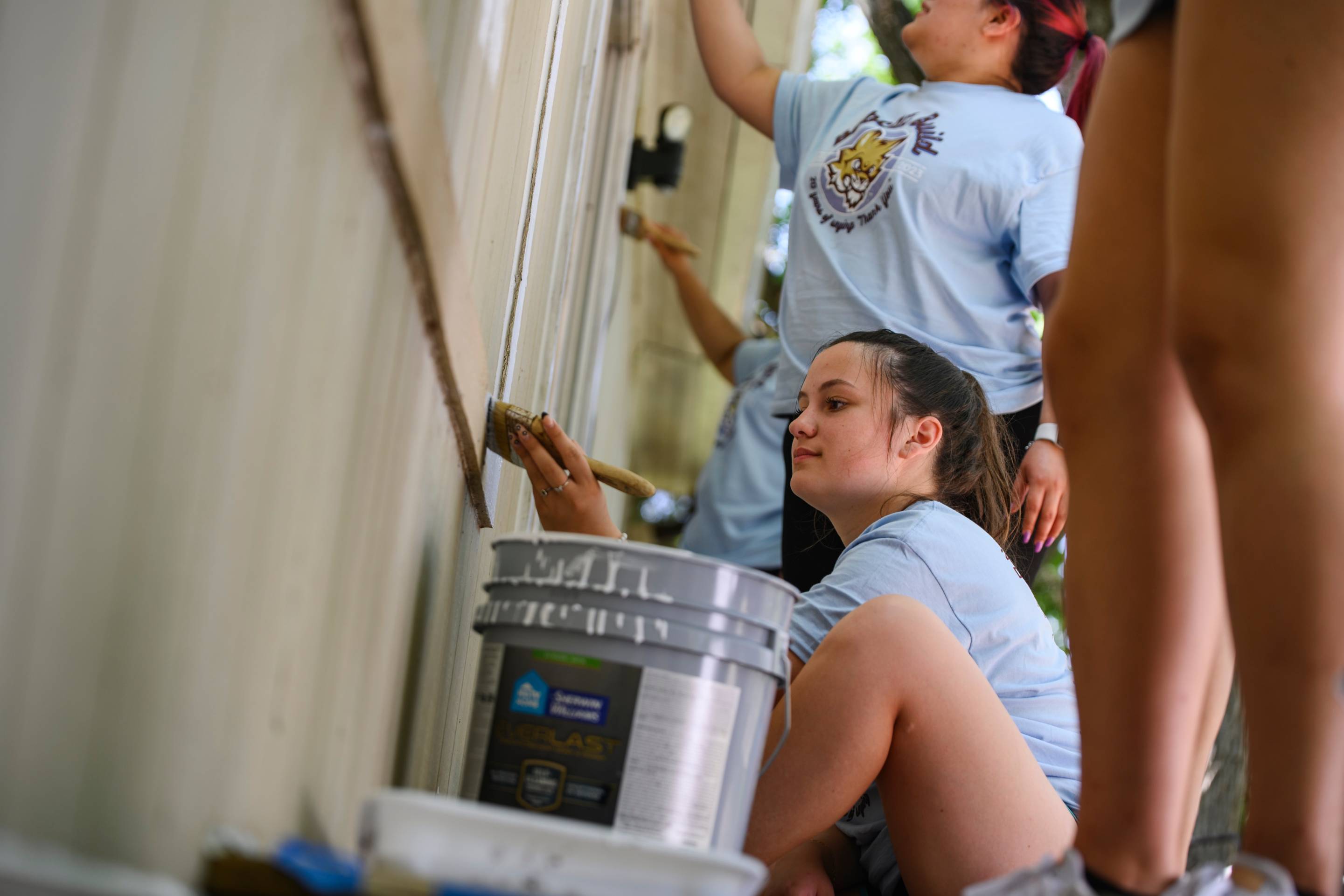
In many cases, the nature of religious, charitable and similar nonprofit organizations and schools allows individuals to volunteer their services in some capacity, usually on a part-time basis, but not as employees or with the expectation of pay for services rendered. For example:

Shelter or Workshop

Individuals may help out in a shelter or workshop

School

Help maintain effective services by supporting school libraries, cafeterias, or similar roles.

Hospitals or Nursing Home

Provide non-medical personal assistance to patients, residents, and elderly individuals.

Working with Children

Individuals working with children with disabilities or disadvantaged youth, helping youth programs as camp counselors, scoutmasters, or den mothers.

Additional Volunteer Activites Include;

  • Assisting with organizations such as the Red Cross (e.g., driving, preparing supplies like bandages)
  • Providing child care support for families in need
  • Participating in fundraising or benefit activities for nonprofit organizations
  • Contributing services that support charitable, educational, or religious programs

Not sure if an opportunity falls under Volunterring?

Be sure to contact our office! Inational@txstate.edu

Reminder

The activities outline above, performed under such circumstances, do not create an employee - employer relationship. However, for immigration purposes, US immigration authorities may consider any position, if normally occupied by a paid employee or worker, as "employment", even if uncompensated and thus no longer considered volunteering. (Matter of Hall, 18 1& N Dec. 203(BIA 1982))